AL
AL
 EN
EN
 IT
IT
 ES
ES
 DE
DE
 RU
RU
 EL
EL
 PL
PL
 CS
CS

 Information
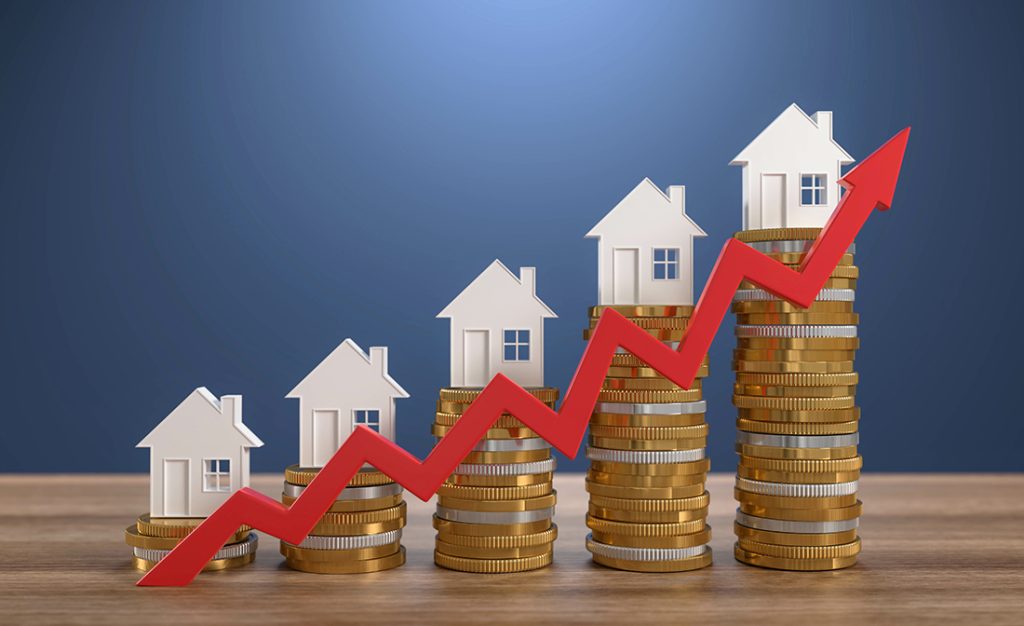
At first glance, the logic seems simple: if sales decline, prices should fall as well. However, in Albania’s real estate market, this is not always the case. On the contrary, we often see situations where transactions slow down, yet prices remain stable or continue to rise. This is not a coincidence, but the result of several strong economic and structural factors. First, it is important to understand that the real estate market does not react as quickly as other markets. Unlike consumer goods, properties are not sold in a rush. In Albania, many property owners are not under pressure to sell quickly. This means that even when demand temporarily decreases, they prefer to wait rather than lower prices. This phenomenon is especially common in cities like Tirana, where property is seen as a long-term asset rather than a need for immediate liquidity. Recent statistics support this behavior. Although sales activity has experienced periods of slowdown, prices have continued to rise. From 2025 to 2026, prices increased by 18%, while over the last decade growth has reached 90%–140%. This clearly shows that the long-term trend remains upward despite short-term fluctuations in transaction volumes. Another key factor is limited supply in high-demand areas. In Tirana, particularly in the city center and premium zones, land for construction is becoming increasingly scarce. This creates constant upward pressure on prices. Even when sales slow down temporarily, the lack of supply prevents significant price drops. In these areas, prices can reach up to €5,000/m², reflecting both scarcity and strong demand. Construction costs are another crucial element. In recent years, the prices of building materials and labor have increased significantly. This leaves developers with little room to reduce prices, as their profit margins would shrink. In practice, this creates a “price floor” below which the market rarely falls. Foreign demand also plays a strong role. In Albania, especially in Tirana and coastal areas, a significant portion of buyers are foreigners. In the capital, about 27% of purchases come from non-residents, while in some coastal areas this figure reaches up to 90%. These buyers are often less affected by local economic conditions, helping to keep demand stable even when the domestic market slows. The rental market also acts as a stabilizing factor. With rental yields of 5%–7%, many owners prefer to keep their property and rent it out rather than sell at a lower price. This reduces selling pressure and helps maintain price levels. Another often underestimated factor is market psychology. In Albania, property is widely considered one of the safest forms of investment. This belief makes owners more resistant to lowering prices. Even during uncertain periods, they tend to wait rather than sell at a loss. Meanwhile, the banking system also has an influence. Around 58% of purchases are financed through loans, but banks in Albania have generally been cautious in lending. This has helped avoid the formation of a large “bubble,” making the market more stable and less prone to sharp declines. A slowdown in sales does not automatically mean a drop in prices, especially in Albania. Factors such as limited supply, rising costs, foreign demand, and the long-term mindset of property owners create a market where prices remain relatively stable. For this reason, expectations of rapid price drops are often not met. In practice, the Albanian real estate market tends to follow a path of stability and gradual growth rather than sudden declines. This is exactly what makes it attractive for investors seeking security and long-term potential.