AL
AL
 EN
EN
 IT
IT
 ES
ES
 DE
DE
 RU
RU
 EL
EL
 PL
PL
 CS
CS

 Informacion
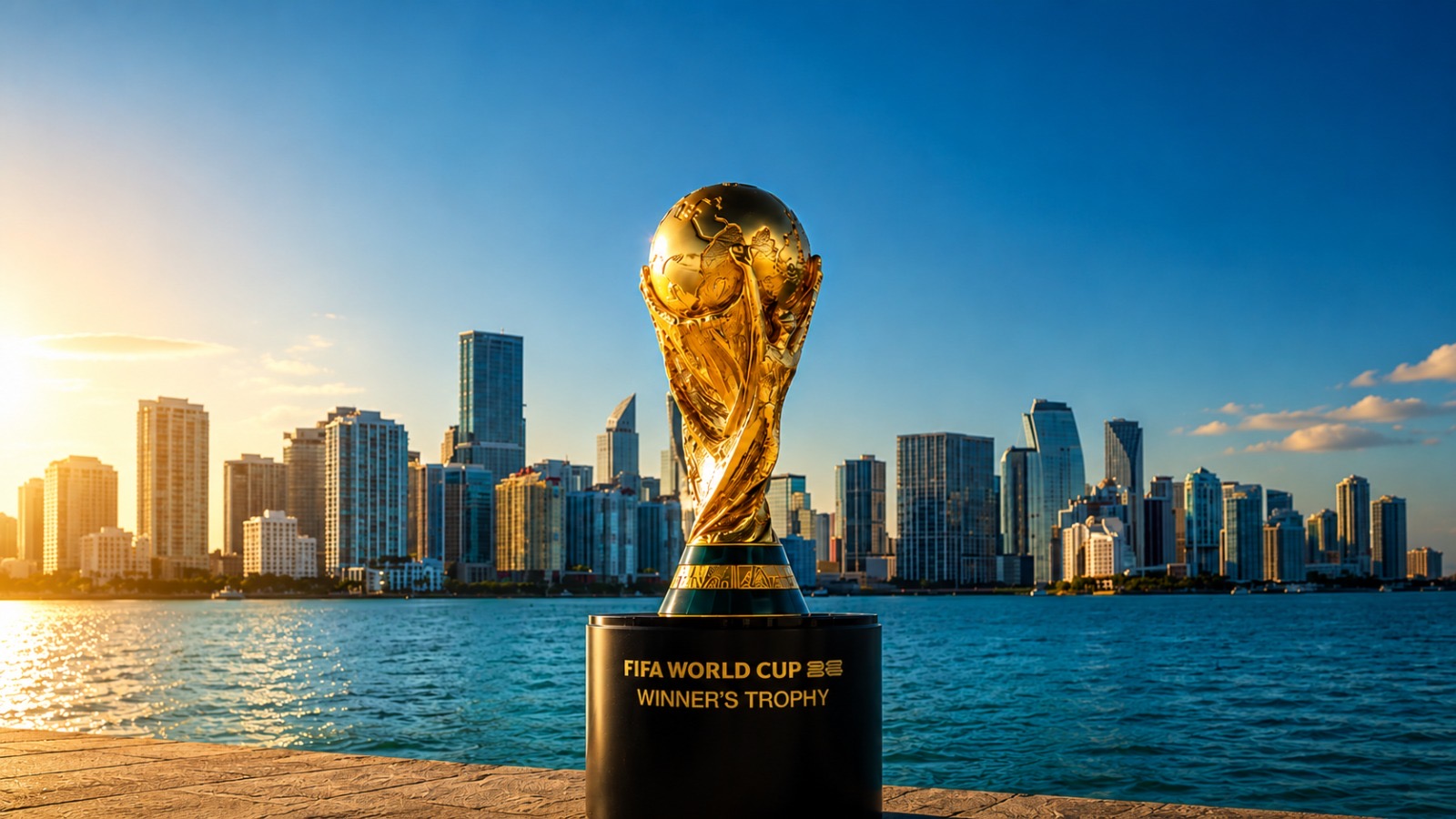
The World Cup is not only the biggest sporting event on the planet. For the countries and cities that host it, it represents an extraordinary opportunity for economic development, investment, and urban transformation. One of the sectors that feels the strongest impact of the World Cup is the real estate market.
But how exactly does such an event affect property prices, investments, and urban development?
Billions of Euros Invested in Infrastructure
Before welcoming millions of fans from around the world, a host country invests heavily in roads, airports, public transportation, hotels, and new urban areas. These investments significantly increase property values in surrounding areas.
For example, before the 2022 FIFA World Cup in Qatar, major infrastructure projects transformed several areas of Doha. As a result, demand for residential and commercial properties increased substantially.
Rising Property Prices
Historically, cities that have hosted the World Cup have experienced increases in property values during the years leading up to the event.
The reason is simple: investors anticipate economic growth, increased tourism, and higher demand for housing and business premises. In many cases, speculative purchases begin several years before the tournament takes place.
However, experts warn that rapid price increases are not always permanent. After the event ends, the market may stabilize or even correct itself, especially if real demand does not support the new price levels.
A Boom for the Short-Term Rental Market
During the World Cup, thousands of properties are rented out to fans, journalists, sponsors, and international delegations.
This creates an important profit opportunity for apartment and villa owners, especially in cities where hotel capacity is limited.
In some cases, income generated from short-term rentals during a World Cup has been several times higher than the usual annual rental income.
More Foreign Investors
The global exposure generated by the World Cup places the host country at the center of international investors’ attention.
Millions of people see the stadiums, cities, coastlines, infrastructure, and economic potential of the country. This often translates into increased interest in property purchases, tourism investments, and development projects.
This phenomenon has been observed in countries such as South Africa, Brazil, and Qatar, where the real estate sector benefited from the global visibility created by the tournament.
Is the Impact Always Positive?
Not necessarily.
Some countries have invested billions of euros in stadiums and projects that were later used very little. If investments are not carefully planned, they can create high maintenance costs and an oversupply of new properties.
Therefore, the long-term impact depends on how infrastructure and urban developments are integrated into the country's economy after the World Cup has ended.
What Can the Albanian Market Learn?
Although Albania has never hosted a World Cup, international experiences show that major sporting events can be powerful catalysts for urban development and increased property values.
Investments in infrastructure, tourism, and international promotion have the potential to positively influence the real estate market, just as they have in many countries that have hosted global sporting events.
An Opportunity That Goes Beyond Sports
The World Cup is much more than football. It can transform the face of a city, attract billions in investment, and directly influence the real estate market.
For investors, developers, and property buyers, hosting a World Cup is often considered a strong signal of new economic opportunities and long-term asset appreciation.