AL
 EN
 IT
 ES
 DE
 RU
 EL
 PL
 CS





 Informacion

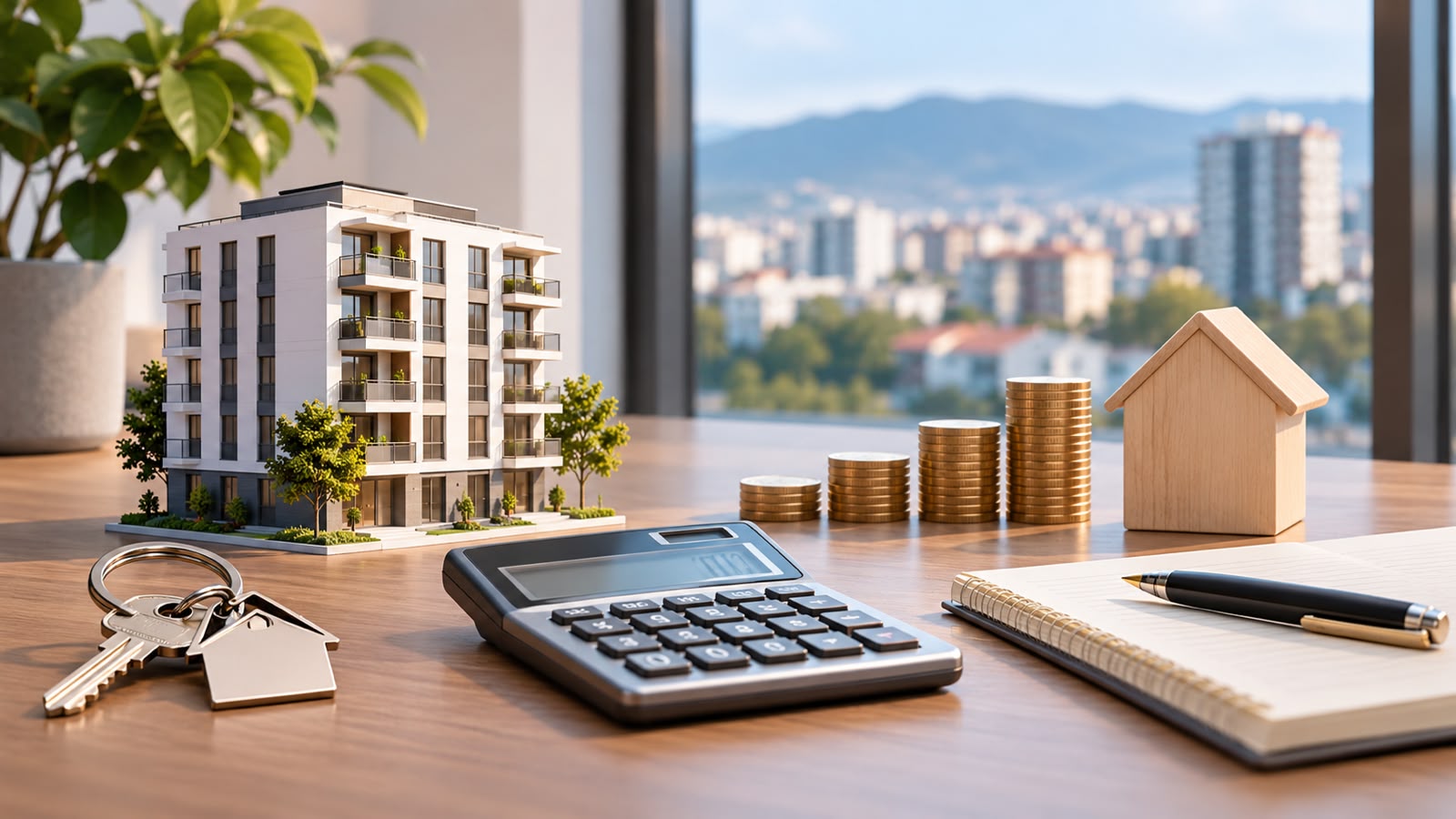
Buying an apartment is one of the most important investments in life, and for many individuals or families, a bank loan is an opportunity to achieve this goal. However, before you start looking for the ideal property, it is important to determine the budget you can afford, taking into account your income, savings and financial obligations. How Much Can You Afford to Pay Each Month? The first step in determining your maximum budget is to analyse your monthly income. Banks assess your repayment capacity by taking into account your salary, other documented sources of income and existing financial obligations. For careful financial planning, it is recommended that your monthly mortgage payment should not place a significant burden on your household budget. As a general guideline, you can consider a monthly instalment representing around 30–35% of your net monthly income, although lending limits depend on the bank’s criteria and the regulations in force. For example, if your household income is €1,500 per month, a monthly payment of €450–525 could be a starting point for planning your budget. How Does the Loan Term Affect Your Budget? Another important factor is the loan repayment term. The longer the financing period, the lower your monthly instalment may be, allowing you to afford a larger loan amount. However, a longer-term loan generally means a higher total interest cost. For this reason, it is important to find a balance between an affordable monthly payment and the overall cost of financing. How Much Savings Do You Need to Buy an Apartment? In addition to your monthly income, personal savings play an important role in determining your budget. Depending on the bank’s conditions, you may be required to cover part of the property's purchase price using your own funds. For example, if you want to buy an apartment worth €100,000 and the bank finances 80% of the purchase price, you will need €20,000 in savings for the down payment, while the remaining amount will be covered by the loan. The higher your initial contribution, the smaller the amount you will need to borrow, potentially reducing your monthly instalment and total interest. Don't Forget the Additional Costs of Buying a Property When planning your budget for buying an apartment, it is important not to focus solely on the property's purchase price. The process may also involve other expenses, such as notary fees, property registration, property valuation, bank commissions and required insurance policies. Additionally, if the apartment needs furnishing or further investment, these expenses should also be included in your financial planning. Why Is It Important to Obtain Preliminary Approval from the Bank? Before deciding to purchase an apartment, consulting with the bank can help you understand the amount of financing you may qualify for. A preliminary assessment of your financial capacity allows you to focus on properties that match your budget, saving time and avoiding unrealistic expectations. However, final loan approval also depends on the property valuation, documentation and the bank's terms and conditions. Choose an Apartment That Matches Your Financial Capacity Your maximum budget should not be determined solely by the amount the bank is willing to lend you, but also by your ability to maintain financial stability in the long term. It is important to take into account your everyday expenses, family needs and the possibility of changes in income or interest rates over the years. An apartment that matches your financial capacity will offer you not only comfort but also greater security for the future. Proper Financial Planning: The Key to Your New Apartment Calculating your maximum budget for buying an apartment with a mortgage is an essential step towards a successful investment. By analysing your income, savings, financing conditions and additional costs, you can make a more informed decision and avoid financial difficulties in the future. With proper planning and the support of real estate market professionals, the journey towards your new apartment can become simpler, safer and more organised.