AL
 EN
 IT
 ES
 DE
 RU
 EL
 PL
 CS
 Informacion

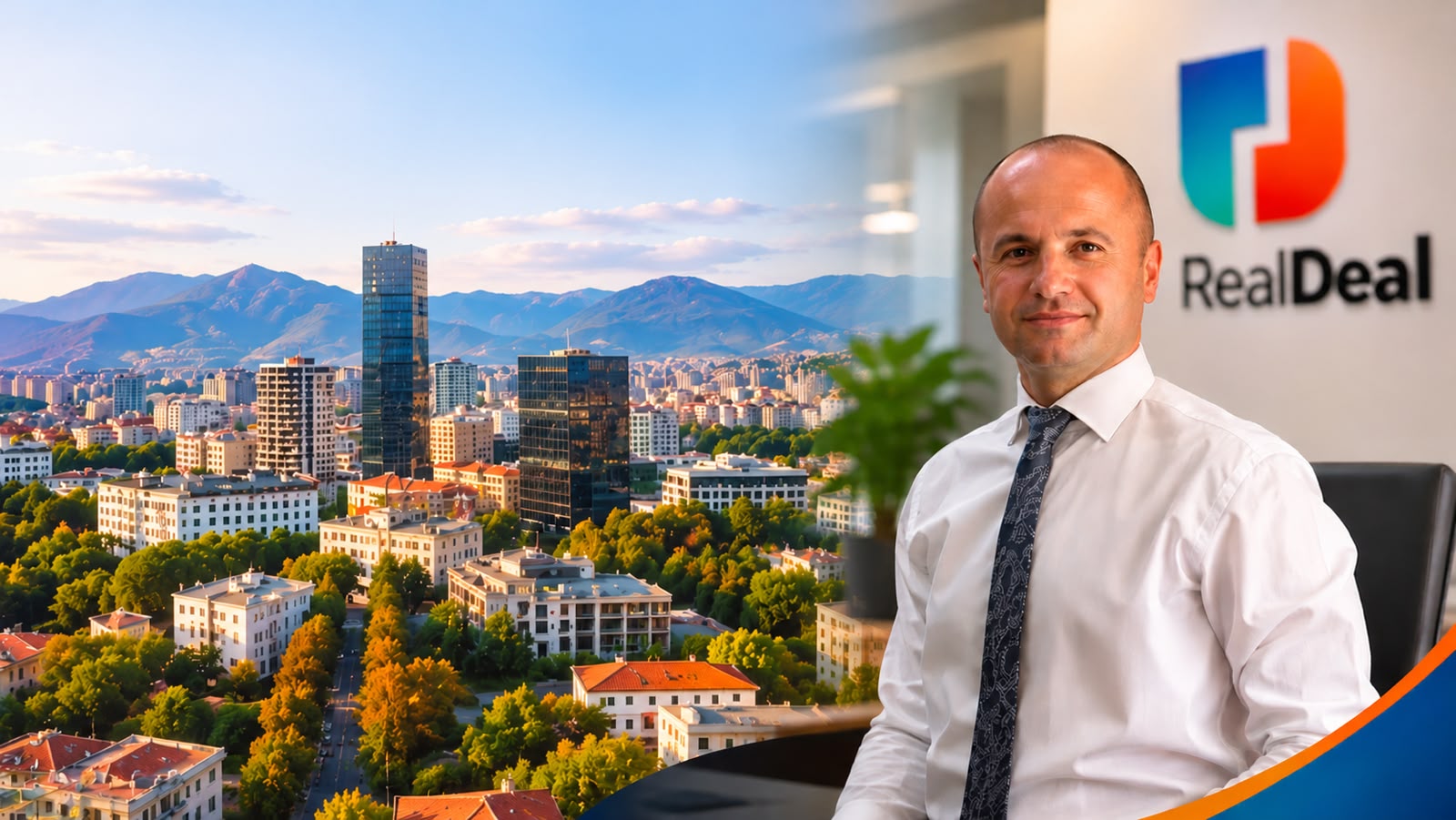
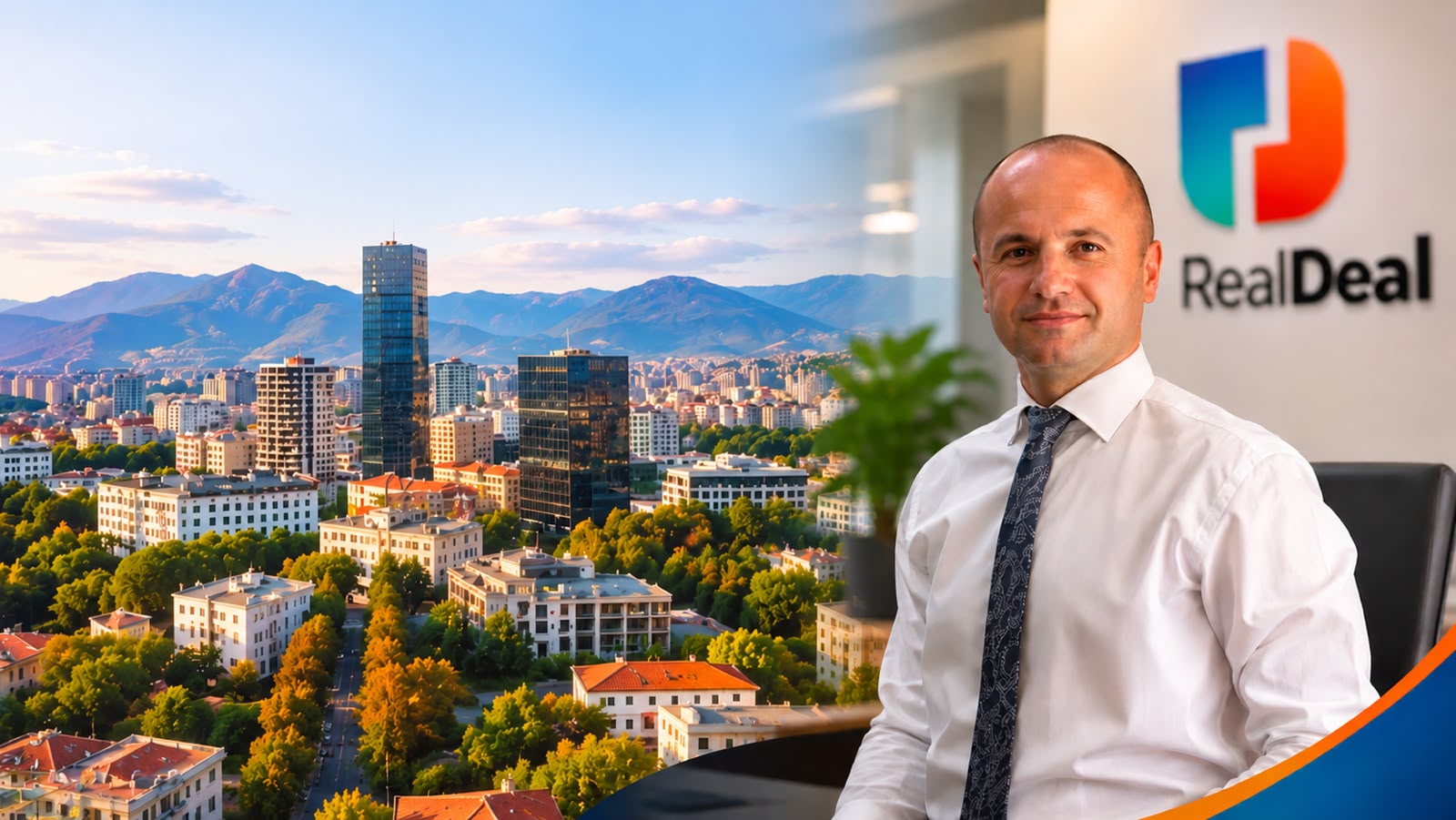
According to real estate expert Armand Shkëmbi, 2024 is considered the peak year of real estate activity, while 2025 and 2026 show signs of gradual stabilization. The year 2027 could represent a new stage, in which competition and economic rationality will play a more important role. According to him, the market is showing signs of maturity, gradually moving towards a more balanced relationship between supply, demand and purchasing power. After a decade of intensive development, urban transformation and continuous growth in apartment prices, the real estate market in Albania, particularly in Tirana, appears to be entering a new phase of its economic cycle. From a Seller’s Market to a Buyer’s Market For years, high demand for real estate has favored property owners and developers, supporting price increases and the expansion of investments. Today, with the increase in supply and the diversification of available options, buyers are gradually gaining more room to negotiate and select properties that suit their needs. According to Mr. Shkëmbi, based on the experience of the Real Deal agency, for every 8–10 people interested in having their property valued, there are approximately 2–3 people interested in purchasing a property. Although this ratio does not represent an overall market statistic, it suggests a shift in market dynamics. This development should not necessarily be viewed as a negative signal, but also as an opportunity to increase competition, improve quality and establish a fairer relationship between price and product. Construction as an Instrument of Economic Development Real estate investments have been among the most preferred forms of capital management for Albanians, both at home and abroad. Through these investments, major projects have been financed, new urban areas have been developed and Tirana’s architectural landscape has undergone significant transformation. This process has mobilized a considerable volume of private savings, directing them towards the economy and urban development. However, the challenge in the next phase is to increasingly channel this capital towards projects that create real and long-term value. In a changing demographic context, market development requires a deeper analysis of housing needs, investment demand, tourism and the economic potential of different areas. It is no longer simply about building more, but about building better and in line with future demand. Real Estate Capital and the Liquidity Challenge One of the issues raised during the discussion concerns the volume of capital invested in properties that may remain unused. According to an indicative estimate presented, this capital could reach approximately €10 billion. Although hypothetical, this figure illustrates the potential scale of capital accumulated in real estate and the importance of putting it to productive economic use. Unoccupied apartments may represent not only a challenge but also untapped potential for the rental market, tourism, housing and long-term investments. The main question is how this capital can be transformed into a productive asset that generates income and contributes to the real economy. In this regard, market maturity could encourage a more developed investment culture, in which a property's value is measured not only by price appreciation but also by its functionality, yield and liquidity. From Advertised Price to the Real Value of a Property The development of premium projects and high-end buildings has diversified the capital's real estate supply, introducing new architectural and technological standards. However, positioning a property in the premium segment requires its price to be supported by concrete elements: location, construction quality, energy efficiency, infrastructure, services and investment potential. Advertised prices of €5,000–€7,000 per square meter in certain projects do not necessarily represent the final transaction prices. In a more mature market, differentiation between projects will become increasingly important. Developers offering quality, functionality and added value will be better positioned to maintain a competitive advantage, while the market will become more selective towards products that do not justify their price. This is part of a natural process of professionalization within the industry. Purchasing Power as a Guide for Future Developments Despite the development of the luxury segment, the Albanian market continues to rely considerably on middle-income households. According to Mr. Shkëmbi, properties valued at up to €150,000–€170,000 represent one of the most active segments. Interest in areas such as Astir and Fresku shows that demand still exists for apartments offering a favorable balance between price, size and functionality. Furthermore, the growing role of bank financing in home purchases could contribute to further formalization of the market and direct investments towards demand supported by real financial capacity. For the construction industry, these developments represent an opportunity to adapt its products to consumers' economic profiles and needs. From Speculative Investment to Productive Investment A developed real estate market is not based solely on expectations of continuous price increases. It relies on a property's ability to generate income, meet real needs and retain its value over the long term. Investments in residential properties, long-term rentals, tourist accommodation and the development of economic activities can create a more sustainable foundation for the market. A moderation in the pace of price growth could help redirect capital towards these forms of investment, reducing dependence on speculative expectations. In this way, stabilization can serve as a mechanism for market consolidation rather than necessarily being an obstacle to its development. 2027 – A New Stage for the Real Estate Industry Increased supply, changing buyer behavior and a moderation in sales activity could bring a period of market recalibration in 2027. In some segments, this may be reflected in price corrections, while in others it may result in stabilization, greater competition and improved standards. A more selective market creates opportunities for serious developers, well-researched projects, long-term investors and professionals who base their activities on economic analysis and product quality. The construction industry does not lose its importance as the market matures. On the contrary, it may transition from a model primarily focused on volume to one centered on quality, efficiency and the creation of long-term value. If the past decade was the decade of real estate expansion, the coming years could be those of consolidation, professionalization and sustainable development. The industry's success will not be measured solely by the number of square meters built or by rising prices, but by the economic, urban and social value these investments create over time. Based on the analysis of real estate market expert Armand Shkëmbi