AL
AL
 EN
EN
 IT
IT
 ES
ES
 DE
DE
 RU
RU
 EL
EL
 PL
PL
 CS
CS


 Informacion
A properly functioning air conditioner is designed to operate quietly, producing only a low level of background noise while cooling or heating your home. However, if you begin to notice loud vibrations, persistent humming, whistling, or metallic knocking sounds, your unit may be trying to warn you that something is wrong. In many cases, the issue is minor and can be resolved with routine maintenance, but sometimes these sounds may indicate a more serious problem that requires professional attention.
One of the easiest ways to identify the source of the problem is by paying close attention to the type of noise your air conditioner is making. A constant humming sound is often associated with loose mounting brackets or screws that no longer hold the unit firmly in place. A whistling noise may point to an issue with refrigerant pressure or airflow inside the system. Scraping, rattling, or knocking sounds are commonly caused by accumulated dirt or debris, or by a fan blade that is obstructed while spinning.
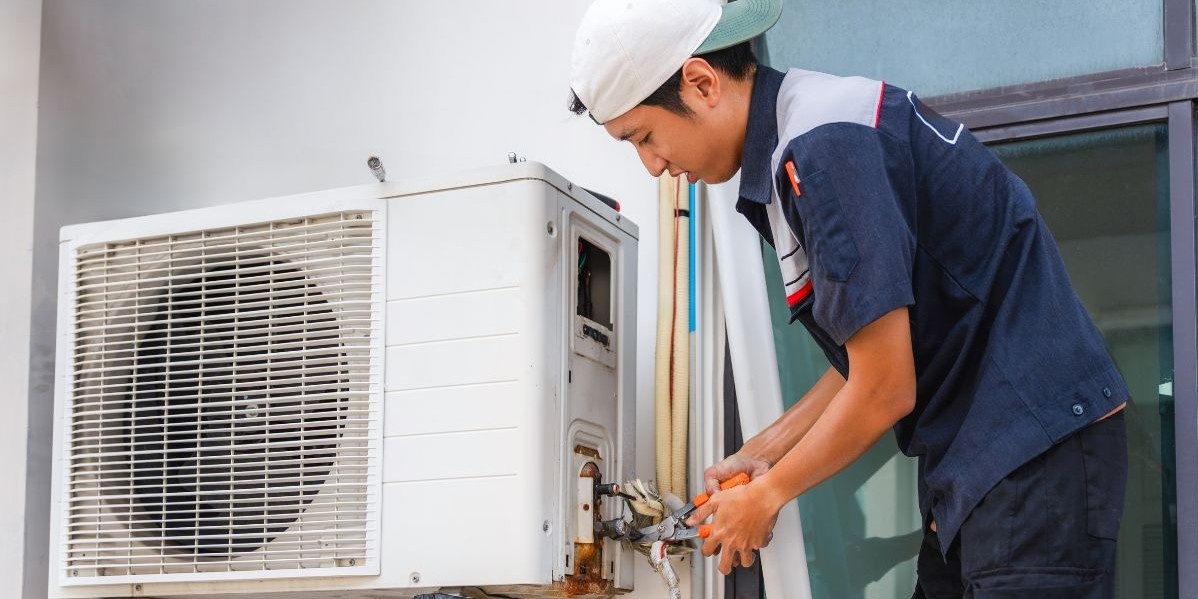
In many situations, the source of the noise is the outdoor unit. Since it contains both the compressor and the fan motor, a certain amount of vibration is perfectly normal. The problem begins when those vibrations become stronger than usual or start transferring into the wall or mounting structure. This can happen because the mounting brackets have become loose or bent over time, the installation was not carried out correctly, the wall amplifies vibrations, or the anti-vibration rubber mounts have deteriorated after years of exposure to the elements.
Although they are small components, anti-vibration rubber mounts—often called silent blocks—play a crucial role in reducing operational noise. They absorb the vibrations produced by the compressor before they can travel through the wall and into the building. Over the years, constant exposure to sunlight, rain, humidity, and extreme temperatures causes the rubber to harden, crack, and lose its flexibility. Replacing these inexpensive components is often one of the simplest and most cost-effective ways to restore quiet operation.
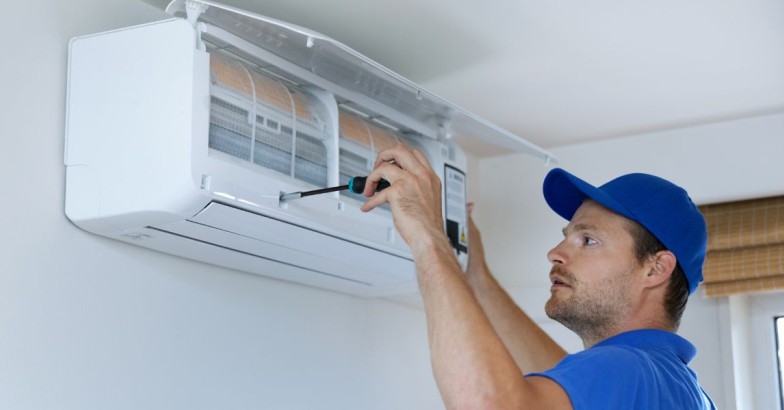
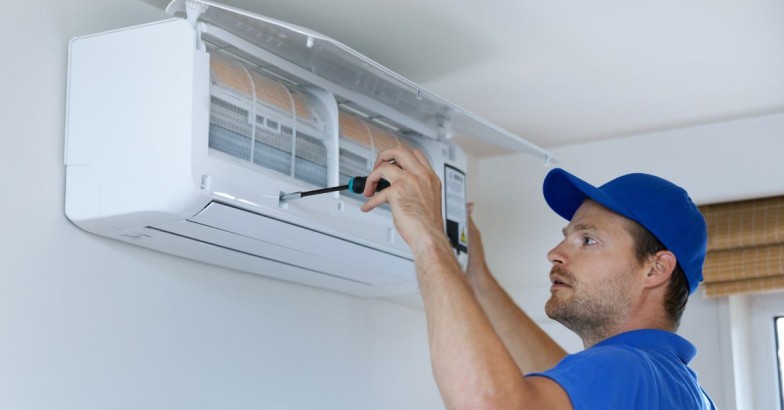
If the noise appears to come from the indoor unit, it does not necessarily mean the air conditioner is failing. Dirty air filters, a poorly fitted plastic cover, or dust buildup on the indoor fan are among the most common causes. Even the natural expansion and contraction of plastic components during temperature changes—particularly when the unit switches to heating mode—can produce clicking or cracking sounds that are considered completely normal. In many cases, a thorough cleaning and routine maintenance are enough to eliminate these noises.
The refrigerant pipes connecting the indoor and outdoor units can also become a source of vibration. If they touch the wall or each other, the compressor's vibrations can travel through the piping and create an irritating noise throughout the building. A qualified HVAC technician can usually solve this issue by repositioning the pipes, adding insulation, or installing additional supports that prevent unwanted contact with surrounding surfaces.
Sometimes the compressor itself is responsible for the problem. As the heart of the air conditioning system, the compressor works under significant pressure every time the unit operates. When it begins to wear out or develop mechanical faults, several warning signs typically appear at the same time. Vibrations become much stronger, the humming sound grows deeper and louder, cooling performance decreases, and electricity consumption often increases. Continuing to use the unit under these conditions may lead to more extensive and expensive damage, making an early inspection by a professional highly advisable.
Another possible cause is a refrigerant leak. Low refrigerant levels do not simply reduce the system's cooling capacity—they also force the compressor to work harder, creating unusual noises while consuming more energy. If your air conditioner no longer cools as efficiently as it once did and unusual sounds appear simultaneously, the refrigerant circuit should be inspected by an authorized technician.
There are situations where delaying repairs is not recommended. If the vibrations become progressively stronger, metallic knocking sounds develop, the unit no longer cools or heats effectively, or the outdoor unit visibly moves while operating, it is time to contact a qualified technician. Addressing the problem early can prevent minor issues from developing into costly repairs or complete system failure.
Regular maintenance remains the most effective way to prevent these problems from occurring. Cleaning the air filters every few weeks during periods of frequent use helps maintain proper airflow, while an annual inspection of the outdoor unit allows technicians to identify worn components before they fail. Checking that screws and mounting brackets remain secure, inspecting anti-vibration rubber mounts for signs of wear, and scheduling professional servicing at least once a year all contribute to extending the life of the system and maintaining optimal performance.
Ultimately, a noisy air conditioner does not automatically mean it needs to be replaced. In many cases, the cause is nothing more than normal wear, accumulated dirt, or overdue maintenance. However, if unusual sounds are accompanied by poor performance, excessive vibrations, or rising energy consumption, they should never be ignored. A timely inspection and the right repairs can significantly extend the lifespan of your air conditioner, improve its efficiency, reduce operating costs, and help you avoid expensive breakdowns in the future.