 Informacion
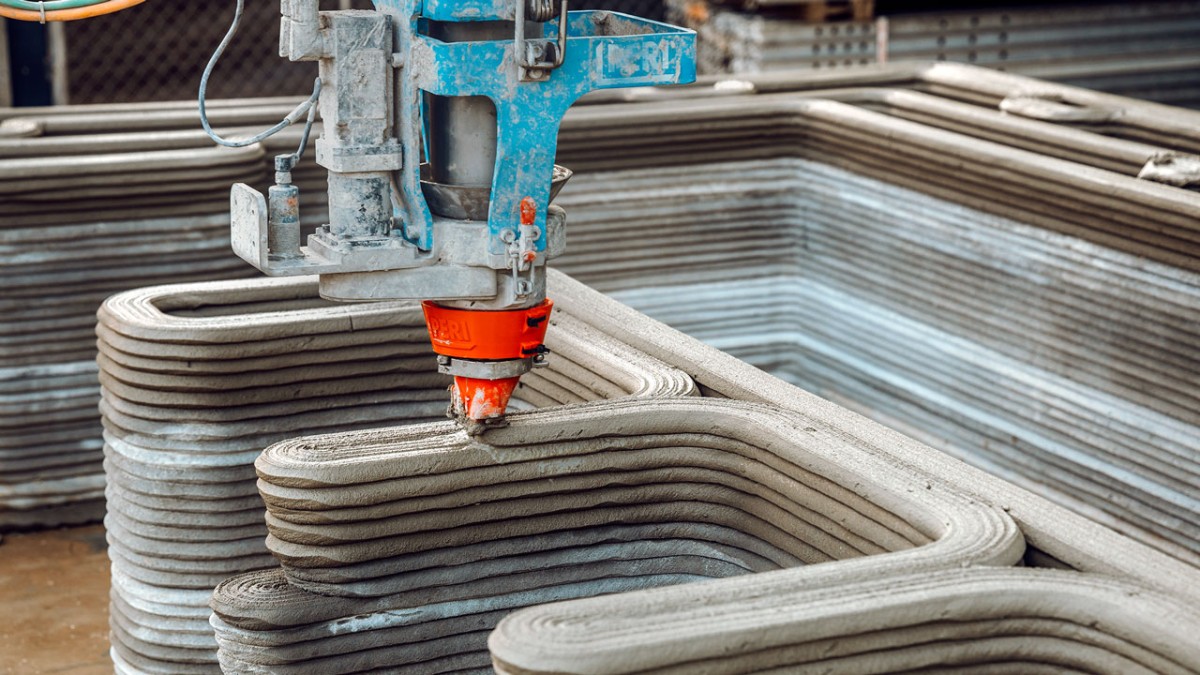
Technology is rapidly transforming the construction industry, and one of the most significant innovations of recent years is the development of 3D-printed homes. In Italy, the project "Itaca" has been unveiled as an innovative example of how a house can be sustainable, energy-efficient, and almost entirely self-sufficient. This model is considered an important step toward the future of residential construction, particularly in regions where access to affordable housing remains a major challenge. "Itaca" was built near the city of Imola by the Italian company WASP, following more than 14 years of research and development. The house covers approximately 200 square meters and was created using an advanced 3D printing system in which four printers operate simultaneously to build the structure. Its walls are made from a lime-based mixture, while thermal insulation is achieved using natural and recycled materials such as hemp and rice husks. This combination gives the building extremely low energy consumption and a minimal environmental footprint. One of the project's most remarkable features is its focus on self-sufficiency. The house is designed to generate much of the energy it consumes through solar panels and includes systems for collecting and reusing rainwater. Surrounding the property are agricultural areas where families can grow their own food, with artificial intelligence capable of automatically managing a modern smart garden. The architectural design is equally distinctive. The building is inspired by the geometry of a mandala, creating a harmonious layout of interior spaces. This concept was chosen not only for its visual appeal but also to maximize natural daylight, improve ventilation, and optimize the use of available space. One of the most common questions concerns the cost of a 3D-printed home. According to the project's developers, constructing a house using 3D printing costs roughly the same as building a conventional concrete home. However, significant savings come from the construction process itself. Walls are completed more quickly, insulation is integrated during printing, and mechanical and electrical systems can be incorporated simultaneously, reducing both construction time and finishing costs. Another major advantage is speed. The structural printing process can be completed in approximately 24 hours, although the full project still requires additional time for installations, technical systems, and finishing work. This technology could prove especially valuable for building homes in disaster-stricken areas or in countries facing severe housing shortages. Although 3D-printed construction is still in its early stages in many countries, its potential for the Albanian market is significant. Albania benefits from favorable conditions for solar energy production and growing interest in energy-efficient buildings. In the future, this technology could be applied to the construction of social housing, tourist accommodations, eco-friendly homes, and rural developments, helping reduce environmental impact while accelerating the building process. 3D printing is not intended to replace traditional construction methods overnight. Instead, it offers a new approach that combines advanced technology, sustainability, and efficiency. Projects such as "Itaca" demonstrate that the future of housing can be greener, smarter, and more affordable, providing innovative solutions to global challenges related to housing accessibility and environmental protection.Could This Technology Be Used in Albania?
A New Direction for the Construction Industry
 AL
AL
 EN
EN
 IT
IT
 ES
ES
 DE
DE
 RU
RU
 EL
EL
 PL
PL
 CS
CS


